
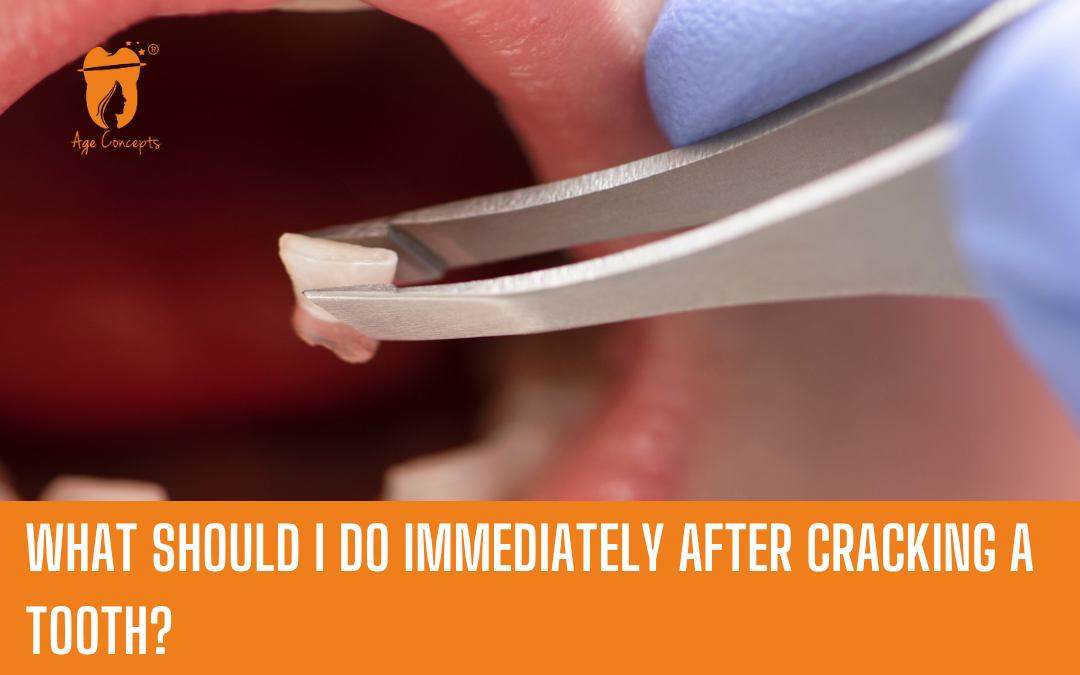
The first thing to do after cracking a tooth is stay calm, rinse the mouth with lukewarm water to clear out any debris, place a cold compress against the cheek to keep swelling down, and if you can find the broken piece, drop it into a small cup of milk to keep it viable. Hold off on chewing on that side, skip anything very hot or very cold, and a basic painkiller like paracetamol works for the sharp pain in the meantime. The tooth still needs a dentist’s eyes on it within 24 hours, sooner if there’s bleeding or visible nerve, because what looks like a small chip from the outside often runs much deeper through the layers underneath.
Dr. Swapnil Bhagwat says, “I’ve lost count of how many patients walked in 2 or 3 days after a crack thinking the lack of pain meant the tooth was fine, only to find out the nerve was already compromised, and at that point we’re doing a root canal that a same-day visit would’ve avoided entirely.”
What's Going On Inside the Tooth After It Cracks?
Cracked teeth aren’t really a single problem, they come in different shapes and depths, and that’s what changes how urgent the situation actually is. The line you can see on the enamel is almost always just the surface, the real damage is usually further in. The crack often runs down through the dentin and sometimes straight into the pulp, where the nerves and blood vessels live. Bacteria find their way into that opening within hours of the injury. The longer that gap goes untreated, the messier the eventual fix gets, and that’s the part patients tend to underestimate.
- Craze lines are those fine, hairline cracks you sometimes spot on adult teeth, usually nothing to worry about and rarely painful, though a dentist still needs to confirm they haven’t gone deeper than they look
- Fractured cusp happens when a chunk of the chewing surface breaks off, almost always around an old filling that’s weakened the tooth, and these are normally sorted with a crown without needing a root canal
- Cracked tooth with a vertical line running from the chewing surface down toward the root is the most common emergency we deal with, and the timing of the visit literally decides whether the tooth is saved or lost
- Split tooth or vertical root fracture below the gumline is the worst version of this, the crack has travelled all the way down and in most of these cases the tooth simply can’t be salvaged
A clinical evaluation at our dental clinic in Seawoods, Navi Mumbai usually identifies the exact type and depth of the crack within minutes using transillumination and high-resolution imaging.
Can a Cracked Tooth Be Fully Restored?
In a lot of cases yes, but how well it gets fixed really depends on how fast you get into the chair. A tooth treated within 24 hours of cracking has a strong chance of being saved with bonding or a crown, while one that’s been left a week often ends up needing a root canal or an extraction. Here’s the catch most patients miss, pain isn’t a reliable signal with cracked teeth, plenty of cracks don’t hurt at first and patients use that as their reason to wait, which almost always backfires by the time the throbbing actually starts.
- Composite bonding seals shallow cracks in a single sitting using tooth-coloured resin, and most cases don’t need anaesthesia at all because the work stays on the outer surface
- Dental crowns cover the entire damaged tooth and stop the crack from spreading further, which is the standard fix for fractures that have already reached the dentin layer
- Root canal therapy is the answer once the crack has reached the pulp, and the tooth is then capped with a crown to bring the chewing strength back to normal
- Extraction with implant placement is the last option for split teeth or vertical root fractures, where keeping the natural tooth simply isn’t on the table anymore
For patients whose crack has progressed to nerve exposure or pulp damage, a root canal treatment at Age Concepts saves the tooth and stops infection from reaching the jawbone.
Why Choose Age Concepts for Cracked Tooth Treatment in Navi Mumbai?
Dr. Swapnil Bhagwat, leads Age Concepts in Seawoods, Navi Mumbai, with 15 years of clinical experience and advanced training picked up across Mumbai, New York, and Germany. Cracked tooth cases here are treated as same-day priorities, with transillumination, microscopic crack detection, and immediate stabilisation done before the patient even leaves the chair on the first visit. The clinic’s approach focuses on saving the natural tooth wherever the crack allows it, instead of defaulting to extraction, and the post-treatment follow-ups are designed to catch any late-stage complications early. Patients across Navi Mumbai keep coming back for the rapid emergency response, the careful trauma protocols, and the willingness to spend time on diagnosis instead of jumping straight to treatment.
call +91 9860782782.
Schedule a consultation with Age Concepts to know exactly what to do after cracking a tooth and walk in for same-day emergency care that protects your natural tooth.
FAQ's
1. How quickly should I see a dentist after cracking a tooth?
Within 24 hours is the safe window, since cracks expose the inner pulp to bacteria and the chances of saving the tooth drop sharply with every day of delay.
2. Should I save the broken piece of my tooth?
Yes, drop the fragment into a small cup of milk or hold it in your saliva and bring it along, because some pieces can still be bonded back depending on the type of crack.
3. Can I eat normally after cracking a tooth?
Avoid chewing on the cracked side and stay away from very hot, cold, or hard foods until a dentist has examined the tooth and confirmed it’s stable enough to use.
4. Will I always need a root canal for a cracked tooth?
Not always, shallow cracks can be fixed with bonding or a crown alone, though cracks that have reached the pulp will usually need a root canal to save the tooth.
References
- American Dental Association, Cracked Tooth Diagnosis and Treatment
- National Library of Medicine, Management of Cracked Teeth: A Clinical Review