
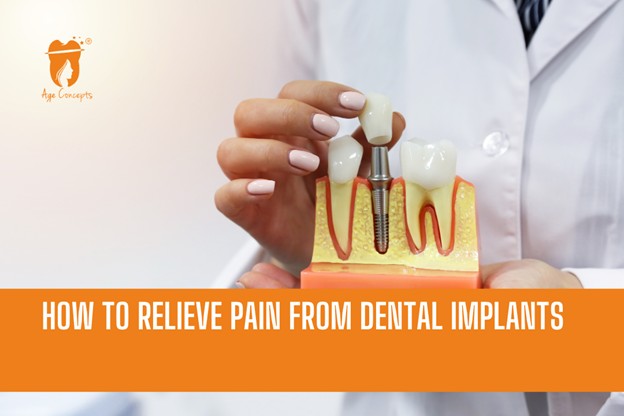
So you have just had your dental implant placed. Or maybe your procedure is coming up and you are already wondering what the recovery will feel like.
Here is the honest answer: yes, there will be some discomfort. But for most patients, it is manageable, short-lived, and much less scary than they expected.
The good news is that with the right care at home and clear guidance from your dentist, you can get through the recovery phase comfortably and confidently.
In this guide, Dr. Swapnil Bhagwat from Age Concepts Dental Clinic in Seawoods, Navi Mumbai walks you through everything you need to know, including why the pain happens, how long it lasts, what helps, and when to call your dentist.
Why Does a Dental Implant Hurt After the Procedure?
First, let us clear something up. The procedure itself is not painful. Your dentist uses local anaesthesia to numb the area completely, so you will feel pressure at most, but no sharp pain during the surgery.
The discomfort comes after, as the anaesthesia wears off.
When a dental implant is placed, a titanium post is inserted into the jawbone. This involves cutting through gum tissue and working with the bone. Your body’s natural response to this is inflammation, which causes:
- Soreness around the implant site
- Swelling of the gums and sometimes the cheek
- Mild bruising in some patients
- Jaw stiffness or tenderness when opening the mouth
This is all completely normal. It is simply your body beginning the healing process.
Dr. Swapnil Bhagwat explains: “The pain after a dental implant is not a sign that something has gone wrong. It is the body doing exactly what it should do, which is responding to the procedure and beginning to heal. Most of my patients at Age Concepts are surprised by how manageable the discomfort really is once they know what to expect.”
How Long Does Dental Implant Pain Last?
Most patients experience the most discomfort in the first 72 hours after surgery. After that, it gradually improves day by day.
Here is a general recovery timeline:
| Time After Surgery | What to Expect |
| 0 to 6 hours | Area still numb from anaesthesia. Minimal pain. Some bleeding is normal. |
| Day 1 to 3 | Peak discomfort and swelling. This is the hardest phase. Rest and follow aftercare instructions carefully. |
| Day 4 to 7 | Swelling and soreness begin to reduce noticeably. Eating becomes more comfortable. |
| Week 2 | Most patients feel significantly better. Mild tenderness may remain around the site. |
| Week 3 to 4 | Discomfort is largely resolved. The implant continues bonding with the bone (a process called osseointegration). |
| 3 to 6 months | Full healing and integration of the implant with the jawbone is complete. |
If your pain is worsening after day 3 instead of improving, that is the time to contact your dentist. We will come back to this.
8 Proven Ways to Relieve Pain from Dental Implants
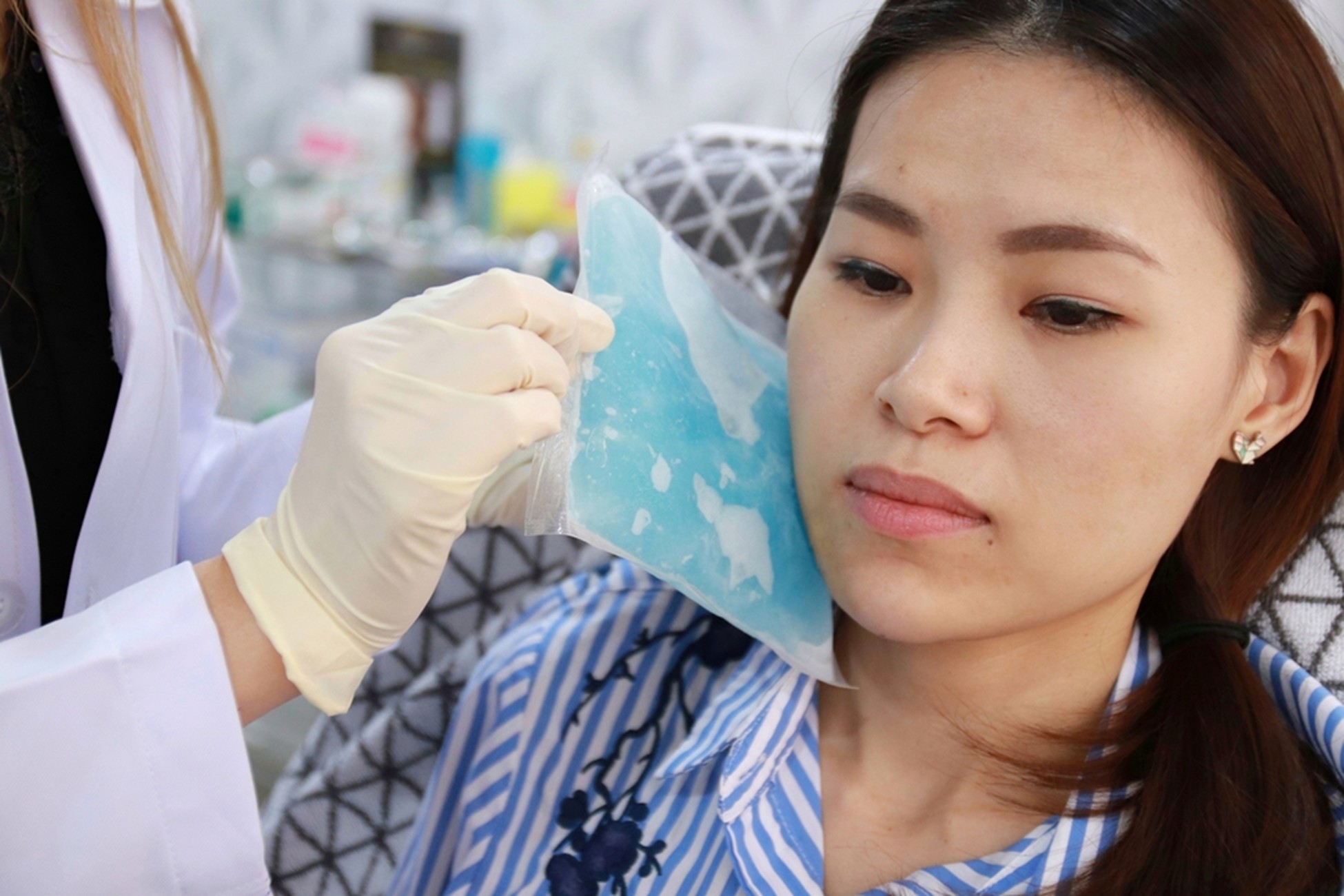
1. Use an Ice Pack in the First 48 Hours
Cold therapy is one of the simplest and most effective tools in early recovery.
Apply an ice pack wrapped in a clean cloth to the outside of your cheek, over the implant site. Use it for 15 to 20 minutes at a time, with 15 to 20 minute breaks in between.
Do this during the first 48 hours after surgery. Cold therapy reduces inflammation, constricts blood vessels, and numbs the area naturally.
After 48 to 72 hours, switch from cold to warm compresses. Warmth at this stage helps improve blood circulation and promotes healing.
Important: Never apply ice directly to the skin. Always use a cloth or towel as a barrier.
2. Take Your Pain Medication as Prescribed
Do not wait for the pain to become severe before taking your medication. This is one of the most common mistakes patients make.
Your dentist may prescribe:
- NSAIDs (Non-Steroidal Anti-Inflammatory Drugs) such as ibuprofen, which reduce both pain and inflammation
- Acetaminophen (Paracetamol) for pain relief where anti-inflammatory medication is not suitable
- Antibiotics to prevent infection (always complete the full course, even if you feel fine)
- Stronger prescription painkillers in some cases, for the first day or two
The ideal time to take your first dose is just before the local anaesthesia wears off, so the medication is already working as the numbness fades.
Always take medications with food to avoid stomach discomfort. Never exceed the recommended dose. And if your dentist has prescribed both ibuprofen and another pain reliever, ask how to alternate them correctly.
3. Rinse with Warm Salt Water
From the second day onward, gentle salt water rinses are one of the best things you can do for recovery.
Salt water helps to:
- Reduce bacteria around the wound
- Minimize infection risk
- Reduce swelling and inflammation
- Soothe the gum tissue around the implant
How to do it: Dissolve half a teaspoon of salt in a cup of warm water. Hold it gently in your mouth for 30 seconds, then let it fall out. Do not spit forcefully or swish aggressively, especially in the first week, as this can disturb the healing tissue.
Do this after meals and before bed, 2 to 3 times a day.
4. Eat Soft Foods and Stay Hydrated
What you eat in the days after surgery makes a real difference to your comfort and healing speed.
Stick to soft, easy-to-chew foods that require minimal pressure. Good options include:
- Curd or yogurt
- Khichdi, soft dal, or well-cooked rice
- Soups and broths
- Mashed potatoes or banana
- Smoothies (do not use a straw)
- Scrambled eggs or soft paneer
Avoid hard, crunchy, chewy, spicy, or very hot foods. Do not chew on the side of the implant. These habits protect the surgical site and prevent unnecessary irritation.
Stay well hydrated throughout the day. Dehydration slows healing.
5. Sleep with Your Head Elevated
During the first few nights, sleep with your head elevated on an extra pillow or two. This reduces blood pressure around the implant site and helps to minimize swelling overnight.
Lying flat allows fluid to pool in the head and face, which can increase swelling and discomfort the next morning.
6. Avoid Smoking and Alcohol
This one is non-negotiable.
Smoking restricts blood flow and delays wound healing significantly. It also increases the risk of implant failure. Most dentists recommend avoiding smoking for at least 2 weeks after implant surgery, and ideally for the full healing period.
Alcohol interferes with the effectiveness of antibiotics, promotes bleeding, and slows tissue repair. Avoid alcohol for at least 48 to 72 hours after surgery.
7. Do Not Disturb the Surgical Site
Resist the temptation to poke or probe the implant area with your tongue, finger, or any object. This introduces bacteria and can disrupt the early healing process.
Also avoid:
- Vigorous rinsing or spitting on the day of surgery
- Using a straw (suction pressure can disturb the wound)
- Strenuous exercise for at least 3 days (elevated heart rate can increase bleeding and swelling)
8. Maintain Gentle Oral Hygiene
Good oral hygiene is essential, but be gentle around the implant site.
From day 2 onward, brush your teeth carefully using a soft-bristled toothbrush. Avoid brushing directly over the implant area if there are stitches. Clean the surrounding teeth normally. Do not use alcohol-based mouthwash, as it can irritate the wound. Use only the prescribed rinse or plain salt water.
Dr. Swapnil Bhagwat advises: “The patients who recover most comfortably are the ones who follow aftercare instructions to the letter. At Age Concepts, we give every implant patient a detailed, easy-to-follow aftercare plan before they leave the clinic. You are never left guessing about what to do at home.”
What is Normal Pain vs. Warning Signs to Watch Out For
Knowing the difference between normal healing discomfort and a complication is crucial.
Normal symptoms after dental implant surgery:
- Soreness and tenderness at the implant site for 3 to 7 days
- Swelling of the gums and cheek, peaking around day 2 to 3
- Mild bruising on the cheek or jaw
- Slight bleeding or pinkish saliva in the first 24 hours
- Jaw stiffness or difficulty opening wide for a few days
Symptoms that require urgent attention:
- Pain that gets worse after day 3 instead of improving
- Swelling that spreads or continues to increase after day 3
- Fever or chills
- Pus or discharge from the implant site
- A persistent bad taste or foul smell in the mouth
- The implant feeling loose or shifting
- Numbness that does not resolve within a few days of surgery
These symptoms may indicate infection, nerve involvement, or implant failure. Do not wait and hope it gets better. Contact your dentist immediately
If the pain is climbing instead of easing after day three, don’t sit on it. A quick check at Age Concepts puts your mind at rest.
A Day-by-Day Recovery Checklist After Dental Implant Surgery
Use this simple checklist to stay on track during your recovery:
Day 1 (Surgery Day)
- Rest at home. Do not go back to work.
- Apply ice pack (15 minutes on, 15 minutes off)
- Take your first dose of medication before anaesthesia wears off
- Eat soft, cold, or room temperature foods
- Do not rinse or spit
- Keep your head elevated, even while resting
Day 2 to 3
- Continue ice pack application
- Begin gentle salt water rinses after meals
- Take medications as prescribed
- Continue soft food diet
- Resume gentle brushing of other teeth, avoiding the surgical site
Day 4 to 7
- Switch from ice to warm compresses if swelling persists
- Continue salt water rinses
- You may begin reintroducing slightly more varied soft foods
- Attend any follow-up appointment scheduled by your dentist
Week 2 onward
- Continue good oral hygiene
- Avoid hard or crunchy foods near the implant area
- Return to normal activity gradually
- Call your dentist if you have any concerns
Thinking about an implant and want recovery handled properly from day one? That’s exactly how we do it at Age Concepts.
When Should You See a Dentist After Dental Implant Surgery?
Schedule an urgent visit to your dentist if:
- Pain is worsening after the third day
- Swelling is spreading beyond the original area
- You develop a fever above 38 degrees Celsius
- You notice pus, discharge, or a constant bad taste
- Your implant feels loose or uncomfortable when you press on it
- Bleeding does not stop with gentle gauze pressure after 30 minutes
For routine follow-up, most dentists schedule a check-up 7 to 10 days after the implant procedure. Dr. Swapnil Bhagwat at Age Concepts, Seawoods, Navi Mumbai schedules regular post-operative reviews for all implant patients to monitor healing and address any concerns early.
Something not feeling right with your healing? Reach out – we’d rather take a look early than have you wonder.
Frequently Asked Questions About Dental Implant Pain
1. How long does pain last after dental implant surgery?
For most patients, the peak discomfort occurs within the first 48 to 72 hours after the dental implant surgery. After that, pain gradually decreases each day. By the end of the first week, most patients feel significantly more comfortable. Some mild tenderness around the site may remain for 2 to 3 weeks, but this is manageable and not a cause for concern. If pain is worsening after day 3, contact your dentist at the earliest.
2. Is dental implant pain worse than a tooth extraction?
Most patients actually report that dental implant surgery is comparable to, or in some cases more comfortable than, a tooth extraction. The procedure is performed under local anaesthesia, so you feel no pain during the surgery itself. Post-operative discomfort is generally mild to moderate and responds well to standard pain relief medication and home care.
3. Can I take ibuprofen after dental implant surgery?
Yes, ibuprofen (such as Brufen or Combiflam) is commonly recommended after dental implant surgery because it relieves both pain and inflammation. Always take it with food to protect your stomach, and follow the dosage recommended by your dentist. If you have any medical conditions such as kidney problems, a history of gastric ulcers, or are on blood thinners, let your dentist know before they prescribe any medication.
4. What should I avoid eating after dental implant surgery?
Avoid hard, crunchy, chewy, sticky, very hot, or spicy foods during the first week. Foods like raw vegetables, crusty bread, nuts, chewing gum, chips, and spicy curries can irritate the surgical site or dislodge the healing tissue. Stick to soft, easy-to-eat foods like curd, dal, khichdi, soups, mashed vegetables, and smoothies until your dentist gives you the go-ahead to return to a normal diet.
5. What is peri-implantitis and can it cause pain long after surgery?
Peri-implantitis is a bacterial infection of the gum and bone tissue surrounding a dental implant. It is similar to gum disease and, if left untreated, can cause significant bone loss and eventually implant failure. Symptoms include pain, swelling, bleeding around the implant, and a bad taste or smell. It can develop months or even years after the original implant surgery, which is why regular dental check-ups are essential even after your implant has fully healed.
References
- Healthline: Dental Implant Pain: What’s Typical and When to Get Help
- American Academy of Implant Dentistry: Dental Implant FAQs
- National Health Service (NHS) UK: Dental Implants
Disclaimer: The information shared in this content is for educational purposes only and not for promotional use.