
You want whiter teeth. But every time something cold or sweet touches them, you flinch. So the obvious worry kicks in: won’t whitening make that ten times worse?
Here is the honest answer. Whitening can trigger sensitivity, that part is true. But for most people it is short-lived, completely manageable, and entirely avoidable with the right approach. The problem is rarely whitening itself. It is whitening done wrong, on teeth that were never assessed first.
In this guide, Dr. Swapnil Bhagwat from Age Concepts Dental Clinic in Navi Mumbai explains tooth whitening for sensitive teeth, which methods are safe, which ones to stay away from, and how to get a brighter smile without the sting.
Why Does Tooth Whitening Cause Sensitivity in the First Place?
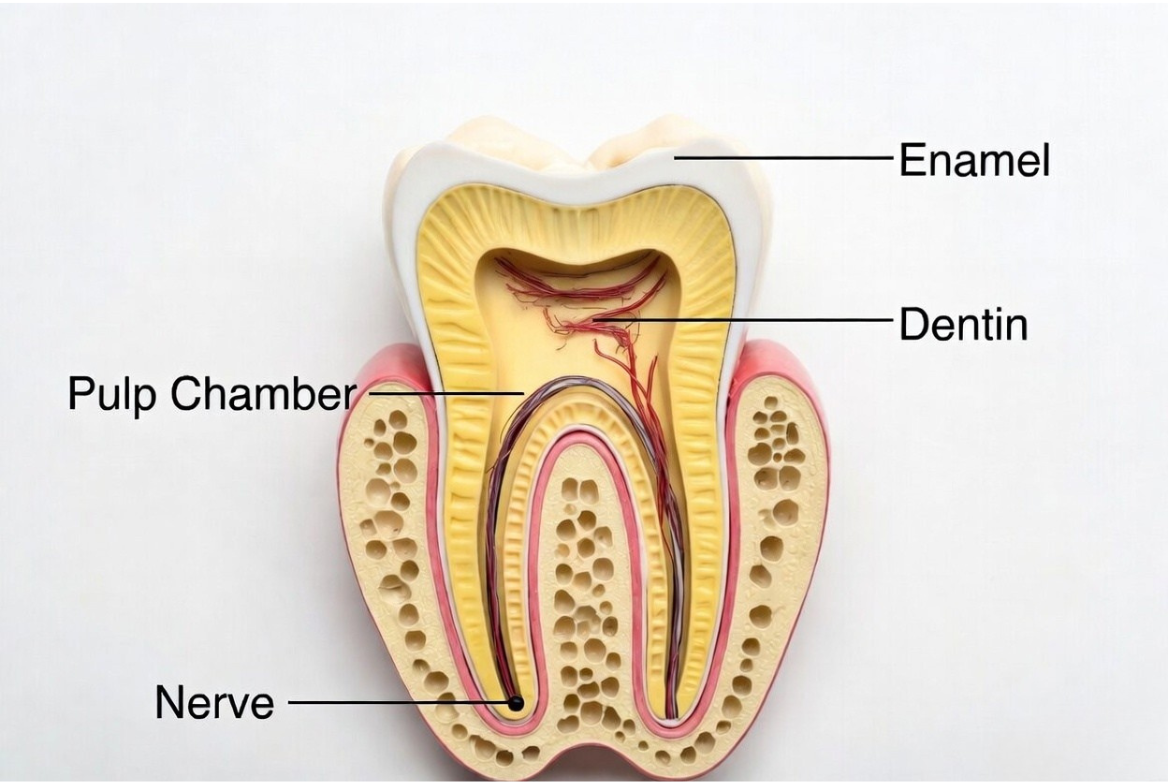
Whitening agents work by sending peroxide through your enamel and into the dentin underneath, where it breaks apart the stain molecules. That is how the colour lifts.
The catch is the route it takes. Peroxide travels through those same microscopic tubules in the dentin that lead straight to the nerve. On healthy enamel, this is a brief, harmless trip. But if your enamel is already thin, or your gums have receded, or there are tiny cracks letting things through, the peroxide reaches the nerve faster and the nerve reacts.
That reaction shows up as:
- Short, sharp zings during or right after treatment
- A dull ache across several teeth for a few hours
- Heightened cold sensitivity for a day or two
None of this means the whitening has gone wrong. It is simply a more reactive nerve responding to a process it would have handled quietly if the enamel above it were intact.
Dr. Swapnil Bhagwat explains: “Most whitening sensitivity I see isn’t from the whitening at all. It’s from skipping the part before it. When a patient walks in wanting a brighter smile, the first thing we check is whether the enamel and gums can handle it. Treat that first, and the whitening becomes the easy part.”
Can People With Sensitive Teeth Whiten at All?
Yes, in almost every case. Sensitive teeth are not a permanent ban on whitening. They are a signal that the process needs to be planned, not rushed.
The difference between a comfortable result and a miserable one usually comes down to a single step: figuring out why the teeth are sensitive before any whitening agent goes near them. Sometimes the answer is simply worn enamel. Sometimes it is a cavity or exposed root that needs treating first.
- Desensitising prep with potassium nitrate or fluoride gel in the weeks before whitening calms the nerve and lowers the chance of a reaction
- Lower-concentration peroxide lifts stains more gradually, which is far gentler on reactive teeth than a single high-strength session
- Treating the underlying cause first, whether that is a small filling or a fluoride application, removes the trigger before whitening even begins
- Professional supervision means the strength, timing, and frequency get adjusted to your teeth rather than a one-size product off a shelf
A quick assessment at the clinic usually sorts out which of these you actually need, and rules out anything that should be handled before whitening.
Dr. Swapnil Bhagwat adds: “Patients are often relieved when I tell them sensitive teeth aren’t a reason to skip whitening. They just need a plan. The ones who get the most comfortable results are the ones who let us prep the teeth properly instead of rushing to the brightest shade in one sitting.”
Which Whitening Methods Are Safe (and Which to Avoid)?
Not all whitening is equal, and this is where most sensitive-teeth disasters happen. The method matters far more than the brand.
| Whitening Method | Suitable for Sensitive Teeth? | What to Know |
| In-clinic professional whitening | Yes, with prep | Strength is controlled, gums are protected, and a desensitiser is applied. Safest route for reactive teeth. |
| Dentist-supervised take-home kits | Yes | Custom trays and lower-concentration gel used over a couple of weeks. Gentle and effective. |
| Whitening toothpaste | Yes, mild effect | Removes surface stains only. Will not change the natural shade much, but very low risk. |
| Over-the-counter strips and gels | Risky | Generic fit, uncontrolled strength, often the main cause of whitening sensitivity. |
| Charcoal and DIY remedies | Avoid | Abrasive, strips enamel further, and can make sensitivity permanently worse. |
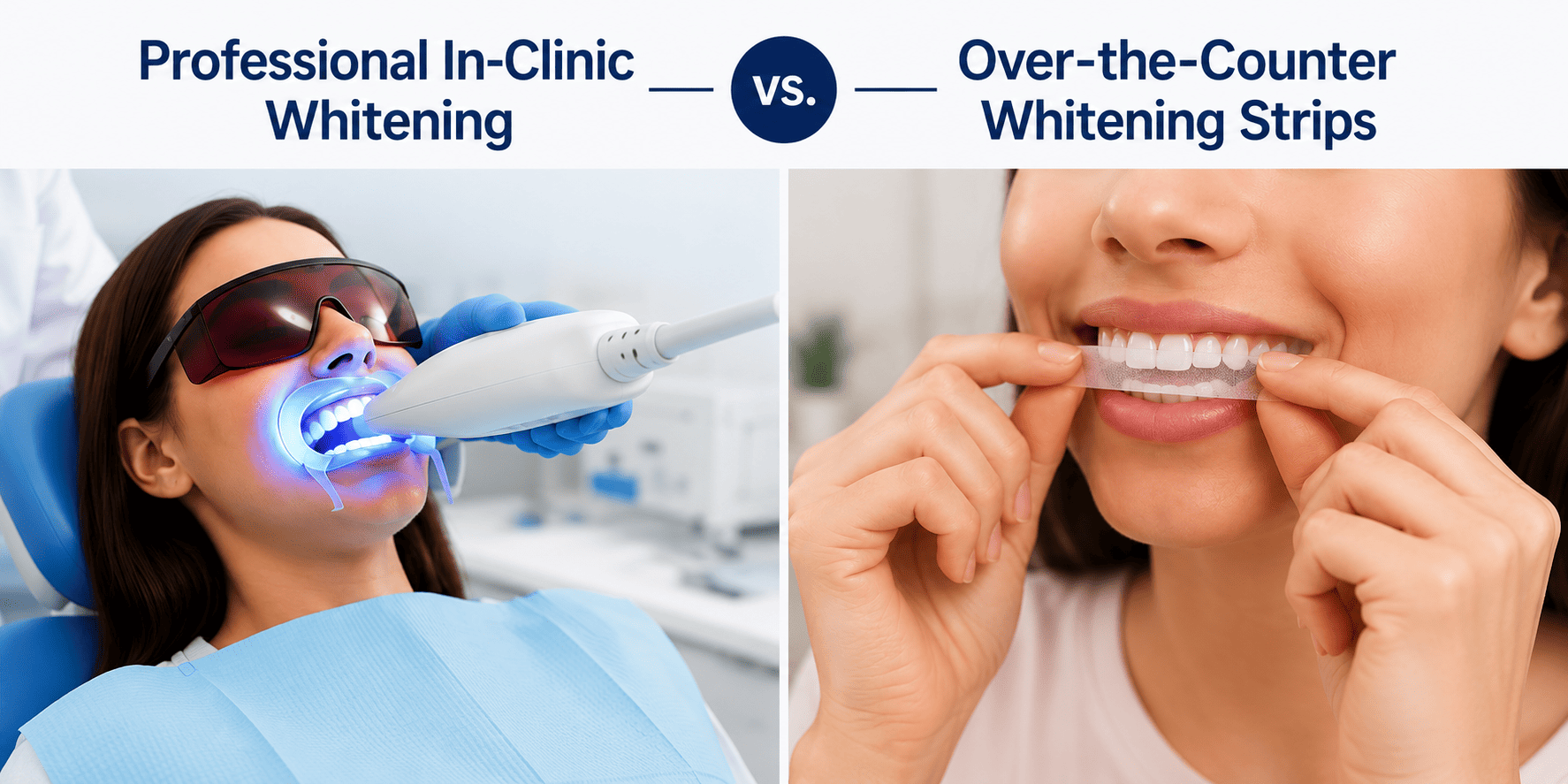
The pattern is simple. The more controlled and supervised the method, the safer it is for sensitive teeth. The cheap, fast, unsupervised options are exactly the ones that leave people in pain.
For anyone whose sensitivity is being driven by worn enamel or exposed roots, a teeth whitening plan built around that, rather than a generic strip from a chemist, is what actually keeps the discomfort away.
How to Whiten Sensitive Teeth Without the Sting
If your teeth are reactive, a few habits make the whole process far more comfortable, whether you whiten in the clinic or with a supervised home kit.
- Start desensitising two weeks early. Switch to a potassium nitrate toothpaste before you begin. It builds up nerve protection that strips alone cannot.
- Do not overdo it. More whitening does not mean whiter. Overuse is the fastest way to inflame the nerve. Stick to the schedule your dentist sets.
- Skip very hot and very cold foods on treatment days. Your teeth are temporarily more reactive, so give them an easy 24 to 48 hours.
- Use a soft-bristled brush and avoid acidic drinks like fizzy sodas, citrus juices, and wine around your whitening sessions, since acid softens enamel and amplifies sensitivity.
- Tell your dentist if zings turn into lingering pain. Brief sensitivity is normal. Pain that drags on past a day or two is worth a quick call.
Most patients who follow this end up surprised at how little discomfort there actually is. The fear going in is almost always bigger than the reality.
Why Choose Age Concepts for Whitening Sensitive Teeth in Navi Mumbai?
Dr. Swapnil Bhagwat leads Age Concepts in Seawoods, Navi Mumbai, with 15 years of clinical work and advanced training picked up across Mumbai, New York, and Germany. The clinic does not hand sensitive patients a generic whitening kit and send them off. Every plan starts with checking the enamel, gums, and any hidden triggers first, then matching the whitening strength to what your teeth can actually handle.
Patients across Navi Mumbai keep coming back for the honest assessments, the gentle handling of already-reactive teeth, and results that brighten the smile without leaving it sore for a week. If cold sensitivity is part of the bigger picture for you, this companion read on why teeth hurt when you drink cold water is worth a look before you book.
Curious whether your teeth are ready for whitening? A short assessment at the Age Concepts poly clinic tells you exactly where you stand.
FAQ's
1. Will teeth whitening permanently damage my sensitive teeth?
No, professionally supervised whitening does not cause permanent damage. The sensitivity it triggers is temporary and usually fades within a day or two. Permanent harm tends to come from abrasive DIY methods like charcoal scrubs, not from properly done whitening.
2. How long does whitening sensitivity usually last?
For most people it lasts a few hours to two days after treatment. Using a desensitising toothpaste before and after, and spacing out sessions, keeps it short. Anything that lingers beyond two days is worth a quick word with your dentist.
3. Is whitening toothpaste safe for sensitive teeth?
Yes, but its effect is limited. Whitening toothpaste removes surface stains rather than lifting the deeper natural shade. It is low-risk and a fine starting point, though it will not match the results of supervised whitening.
4. Can I whiten my teeth at home if they are sensitive?
You can, but only with a dentist-supervised kit and custom trays, not generic over-the-counter strips. The supervised route lets the strength and timing be adjusted to your teeth, which is what keeps the discomfort down.
5. Why do my teeth feel more sensitive after using whitening strips?
Over-the-counter strips have a one-size fit and an uncontrolled peroxide strength, so the gel often slips onto the gums and reaches the nerve faster than it should. That mismatch is the single most common cause of whitening sensitivity people complain about.
References
- American Dental Association, Whitening: 5 Things to Know About Getting a Brighter Smile
- National Library of Medicine, Tooth Sensitivity Associated with Dental Bleaching: A Systematic Review
- American Dental Association, Tooth Sensitivity Causes and Treatment
National Health Service (NHS) UK, Teeth Whitening
Disclaimer: The information shared in this content is for educational purposes only and not for promotional use.