
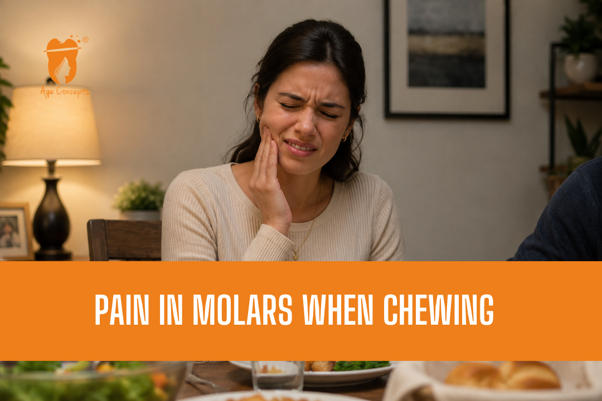
That sharp twinge the moment you bite down on rice or a piece of roti isn’t something to just chew around. Pain in molars when chewing usually means the tooth’s protective layer has been compromised, by decay, a crack, gum recession, or an infection sitting quietly at the root, and it rarely fixes itself. At Age Concepts, a dental clinic in Navi Mumbai, Dr. Swapnil Bhagwat, who specialises in root canal treatment and tooth preservation, sees this exact complaint week after week, and he’s shared what’s usually behind it.
Dr. Swapnil Bhagwat says, “Patients often wait weeks, sometimes months, hoping the pain while chewing will settle on its own. It rarely does, because by the time you feel it on every bite, the nerve inside the tooth is usually already involved, and that’s a signal the tooth is asking for help, not time.”
What's Actually Causing Pain in Your Molars When You Chew?
Molars do the heaviest work in your mouth, grinding and crushing food several times a day, which is exactly why they’re the first to complain when something’s wrong underneath.
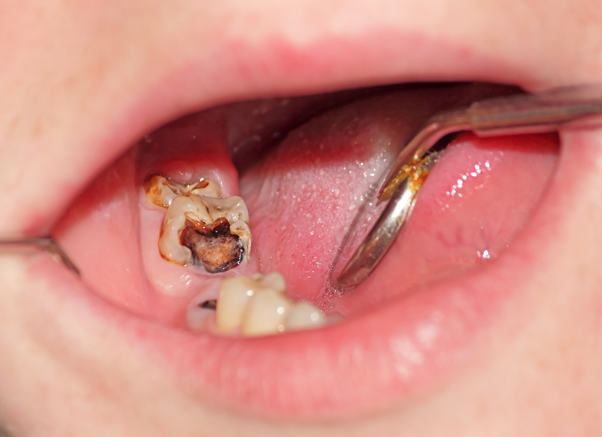
- Tooth decay that’s reached the inner layer turns ordinary chewing pressure into a sharp jolt, especially with sweet or hot food
- A cracked or fractured molar, often from biting something hard, causes pain that comes and goes, sharp on the bite and gone right after
- Gum recession exposes the root surface, so pressure from chewing translates straight into sensitivity and discomfort
- An infected tooth root (abscess) builds pressure below the gumline that chewing makes noticeably worse, sometimes with visible swelling
- A loose or failing old filling shifts slightly under pressure, letting food and bacteria in where they shouldn’t be
A quick clinical check at our dental clinic in Seawoods, Navi Mumbai usually pinpoints which of these is behind your pain within a single visit.
Is Molar Pain When Chewing Always Something Serious?
Not always, but it’s not something to guess about either. Mild, occasional discomfort after biting something unusually hard can settle on its own. Pain that shows up on every single bite, or that lingers after the food is gone, is a different story.
- Sharp pain on biting, gone within seconds often points to a crack or a high filling
- Dull, constant ache that worsens with pressure usually signals decay reaching closer to the nerve
- Throbbing pain with swelling or a bad taste is a strong sign of infection that needs prompt attention
- Pain that radiates to the ear or jaw can indicate the infection has spread beyond the tooth itself
How Is Molar Pain Diagnosed and Treated?
Treatment depends entirely on how deep the problem goes, so the diagnosis always comes first, never a guess.
- Digital X-rays and bite tests identify exactly which tooth is affected and how far the damage extends
- A simple filling resolves things if decay is caught early and hasn’t reached the nerve
- Root canal treatment removes infected tissue from inside the tooth, relieves the pain, and saves the natural molar in most cases
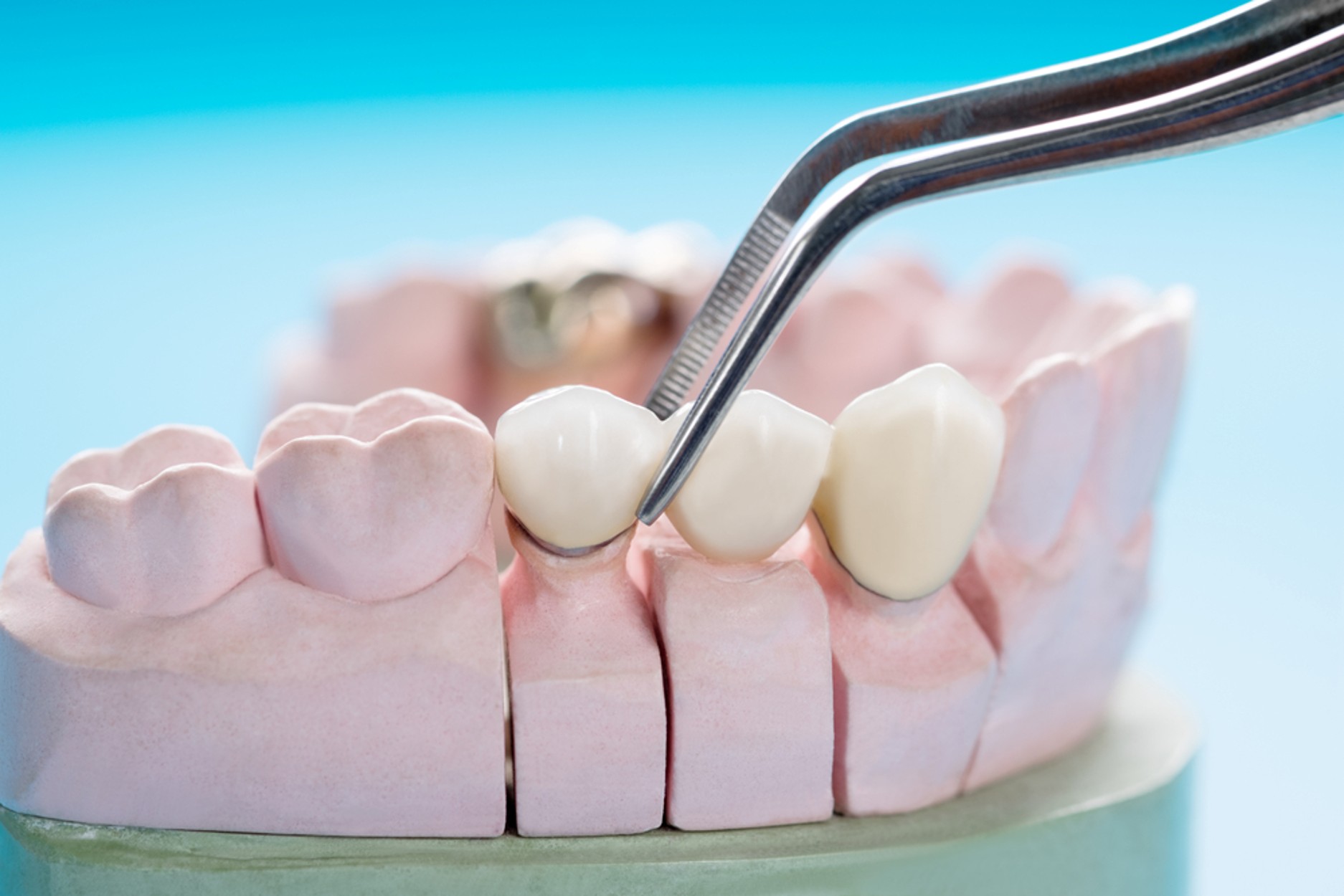
- A dental crown is often placed afterward to protect a weakened molar from further cracking under everyday chewing pressure
Most molars can be saved with timely treatment; extraction is generally considered only when the damage is too extensive to restore.
Why Choose Age Concepts for Molar Pain Treatment in Navi Mumbai?
Dr. Swapnil Bhagwat, BDS, MDS in Conservative Dentistry & Endodontics, focuses specifically on relieving pain and preserving natural teeth using modern root canal techniques. At Age Concepts, molar pain cases begin with a proper diagnostic scan rather than a rushed decision, so patients know exactly what’s happening before any treatment is planned. The clinic is equipped with digital oral scanners and CBCT imaging for precise, comfortable evaluation, and is easily reachable from Nerul, Belapur, Sanpada, Vashi, and Kharghar, being just opposite Nexus Seawoods Mall.
That bite-down twinge won’t wait for a “better time” to check it out, and neither should you.
FAQ's
1. Why does my molar hurt only when I chew, not otherwise?
This usually means the damage, whether a crack, decay, or a loose filling, only triggers pain under the specific pressure of biting down, which is why it can feel fine at rest.
2. Can molar pain from chewing go away without treatment?
Mild, occasional discomfort might ease on its own, but pain occurring on every bite typically points to an underlying issue that won’t resolve without a dental evaluation.
3. Is root canal treatment painful?
Modern root canal treatment is done under local anaesthesia and is generally no more uncomfortable than getting a filling. It relieves the existing pain rather than adding to it.
4. How do I know if my molar pain is from an infection?
Throbbing pain, swelling near the jaw, a bad taste, or pain that radiates toward the ear are common signs of infection and need prompt dental attention.
5. Can a cracked molar be saved?
In many cases, yes. Depending on the depth of the crack, treatment may involve a filling, root canal treatment, or a crown to protect and restore the tooth.
References
- American Dental Association, Tooth Pain and Toothaches
- National Library of Medicine, Cracked Tooth Syndrome: A Review
Disclaimer: The information shared in this content is for educational purposes only and not for promotional use.