
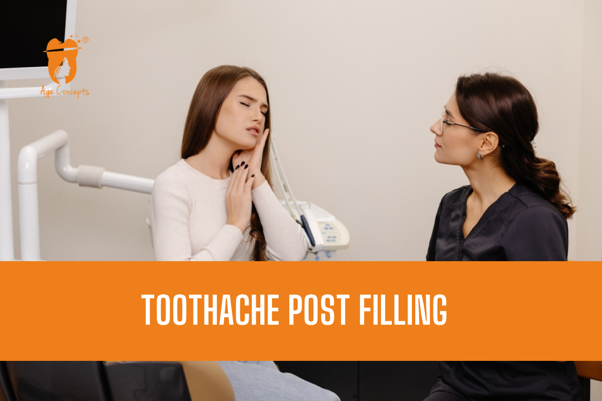
A filling is supposed to end tooth pain, not bring it back a few days later. Toothache post filling is fairly common and usually settles within a couple of weeks, caused by nerve irritation, a slightly high bite, or the tooth simply adjusting to the new material, but pain that lingers or worsens is the tooth’s way of saying something needs a second look. At Age Concepts, a dental clinic in Navi Mumbai, Dr. Swapnil Bhagwat, who specialises in restorative and root canal treatment, walks patients through exactly what’s normal after a filling and what isn’t.
Dr. Swapnil Bhagwat says, “A little sensitivity for a week or two after a filling is completely normal, the tooth’s nerve just needs time to settle. What’s not normal is pain that keeps building, or a tooth you can’t bite down on at all. That’s when I’d want to see the patient again, not wait it out.”
Why Does a Toothache Happen After a Filling?
Once the anaesthesia wears off, some sensitivity is expected, since the tooth’s inner nerve has just been worked on. What matters is why it’s happening and how long it sticks around.
- Nerve inflammation from a deep cavity takes longer to calm down if decay had reached close to the pulp before treatment
- A filling sitting slightly too high changes how your teeth meet when you bite, putting uneven pressure on that one tooth
- Temporary sensitivity to hot, cold, or sweet foods is common as the tooth adjusts to the new material over the first couple of weeks
- An improperly sealed filling can let bacteria seep back in, causing pain that builds rather than fades
- A crack that was already present in the tooth may only become noticeable once chewing pressure returns to normal
A quick check at our dental clinic in Seawoods, Navi Mumbai can tell you within one visit which of these applies to you.
How Long Should Toothache After a Filling Actually Last?

This is the question patients ask most, and the honest answer is: it depends on how deep the original cavity was.
- 1-3 days: Mild soreness or sensitivity, generally nothing to worry about
- 1-2 weeks: Occasional twinges with hot, cold, or sweet foods, especially after a deep filling
- Beyond 3-4 weeks: Sensitivity should be reducing steadily, not staying the same or getting worse
- Sudden sharp pain on biting: Often points to a high filling that needs a quick adjustment, not a redo
If the timeline doesn’t match what you’re feeling, especially pain that’s increasing rather than easing, that’s the signal to get it looked at rather than wait longer.
When Does a Toothache Post Filling Need a Dentist's Attention?
Most post-filling discomfort resolves on its own, but a few signs mean it’s time to come back in rather than wait it out.
- Pain that increases instead of decreasing over several days
- Throbbing pain, especially at night, which can suggest the nerve is struggling
- Visible swelling near the gum around the treated tooth
- Inability to bite down on that tooth at all, even lightly
- Pain lasting beyond four weeks with no signs of improvement
These usually mean the filling needs a bite adjustment, or in some cases, that the nerve inside needs further treatment.
How Is a Persistent Toothache After Filling Treated?
Treatment depends entirely on the cause, which is why a proper check comes before any decision.
- A quick bite adjustment often resolves pain caused by a filling sitting too high, done in minutes with no drilling involved
- Desensitising toothpaste and a short waiting period is usually enough for mild, temperature-related sensitivity
- Root canal treatment may be recommended if the nerve inside the tooth is inflamed beyond recovery
- Refilling or replacing the restoration is done if the original filling wasn’t sealed properly or has cracked
Most cases are resolved without needing to redo major work, especially when addressed early.
Why Choose Age Concepts for Toothache and Filling-Related Concerns in Navi Mumbai?
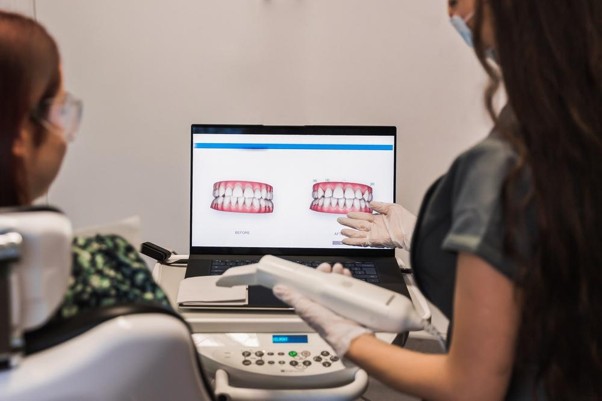
Dr. Swapnil Bhagwat, BDS, MDS in Conservative Dentistry & Endodontics, reviews every post-filling toothache with a bite check and, where needed, a digital X-ray, rather than assuming a redo is necessary. Age Concepts is equipped with digital oral scanners and CBCT imaging, so any underlying issue is visible before treatment is planned, not after. The clinic is conveniently located opposite Nexus Seawoods Mall, easily accessible from Nerul, Belapur, Sanpada, Vashi, and Kharghar.
📞 +91 9860782782
A toothache that’s supposed to be gone by now deserves a second look, not another wait-and-watch week.
FAQ's
1. Is it normal to have a toothache a week after a filling?
Yes, mild sensitivity up to two weeks after a filling is common, especially if the cavity was deep. Pain that’s steadily reducing during this time is generally nothing to worry about.
2. Why does my tooth hurt when I bite down after a filling?
This usually happens when the filling sits slightly higher than the surrounding tooth surface, creating uneven pressure. A quick bite adjustment at the clinic typically resolves it.
3. Can a toothache after filling mean I need a root canal?
Not always, but if the pain is throbbing, worsening, or keeps you up at night, it can indicate the nerve inside the tooth is inflamed and needs further evaluation.
4. How long is too long for tooth pain after a filling?
If sensitivity or pain hasn’t started reducing by three to four weeks, or is getting worse instead of better, it’s time to have the tooth reassessed.
5. Can I fix filling-related tooth pain at home?
Avoiding very hot, cold, or hard foods and using a desensitising toothpaste can help with mild discomfort, but pain that persists or worsens needs a dentist’s evaluation, not just home care.
References
- American Dental Association, Tooth Pain and Toothaches
- National Library of Medicine, Pulpitis and Post-Operative Sensitivity Following Restorative Treatment
Disclaimer: The information shared in this content is for educational purposes only and not for promotional use.